
Go into any supermarket today and everything almost looks too perfect.
Tomatoes shine. Rice looks polished like pearls. Fruits are all the same size. Every second packet says things like “healthy,” “farm fresh,” or “natural.” Still, many people feel something is missing when they eat. Not immediately maybe. But slowly.
People complain about digestion more now. Acidity. Fatigue. Bloating. Food intolerance. Even children today seem to react differently to food than previous generations did.
And honestly, when you think about it carefully, our grandparents rarely discussed these things the way we do now.
Nobody sat at the dining table asking:
Food simply felt… alive.
Somewhere over time, farming became faster, larger, and more industrial. Bigger yield became the goal. Longer shelf life became important. Uniform appearance started mattering more than natural nutrition. Slowly, farming moved away from the rhythm of nature, from producing naturally grown food to ones closer to factory-style production.
That shift changed the soil first. Then the food. Eventually, it changed us too.
A lot of people think naturally grown food is just another marketing label. But traditional natural farming is actually much deeper than that.
Naturally grown food is cultivated by working with nature instead of constantly trying to override it.
That means the soil is treated as something living, not just as a surface to dump fertilizers onto. Crops are grown with seasonal understanding. Traditional methods are respected. Natural microbial activity is encouraged instead of destroyed.
In many modern farms today, plants are pushed aggressively using chemical fertilizers, pesticides, and artificial growth support systems. Natural farming takes a slower path. It focuses on restoring balance first.
Healthy soil. Clean water. Native biodiversity. Open airflow. Sunlight. Indigenous farming wisdom.
Simple things, really. But powerful things.
At Prakruti Raga, this is not treated as a trend or branding angle. It is the core philosophy behind the farm itself.
The name itself carries that intention. “Prakruti” means Nature. “Raga” means Melody. Together, it reflects the idea that life works best when we move in tune with nature instead of trying to dominate it.
And strangely enough, you can actually feel that difference in food.
A few years ago, most health conversations revolved around calories, fats, or protein intake. Today the conversation feels more personal.
That shift did not happen randomly.
Many families are slowly becoming uncomfortable with heavily processed food systems. Even when food looks attractive, there is increasing awareness around chemical exposure, excessive refining, artificial ripening, and nutrient loss through industrial processing.
Research institutions across the world have also explored the broader effects of chemical-intensive agriculture and pesticide exposure. Harvard’s School of Public Health has published useful reading discussing organic and naturally cultivated food systems and how farming methods influence both environmental and human health.
What is interesting is that this movement is no longer limited to “health enthusiasts.” Ordinary households are changing their buying habits too.
Parents are thinking about children.
Adults are thinking about long-term wellness.
Some people are simply trying to reconnect with food that feels more honest.
Because food is not just fuel. It quietly shapes everyday life.
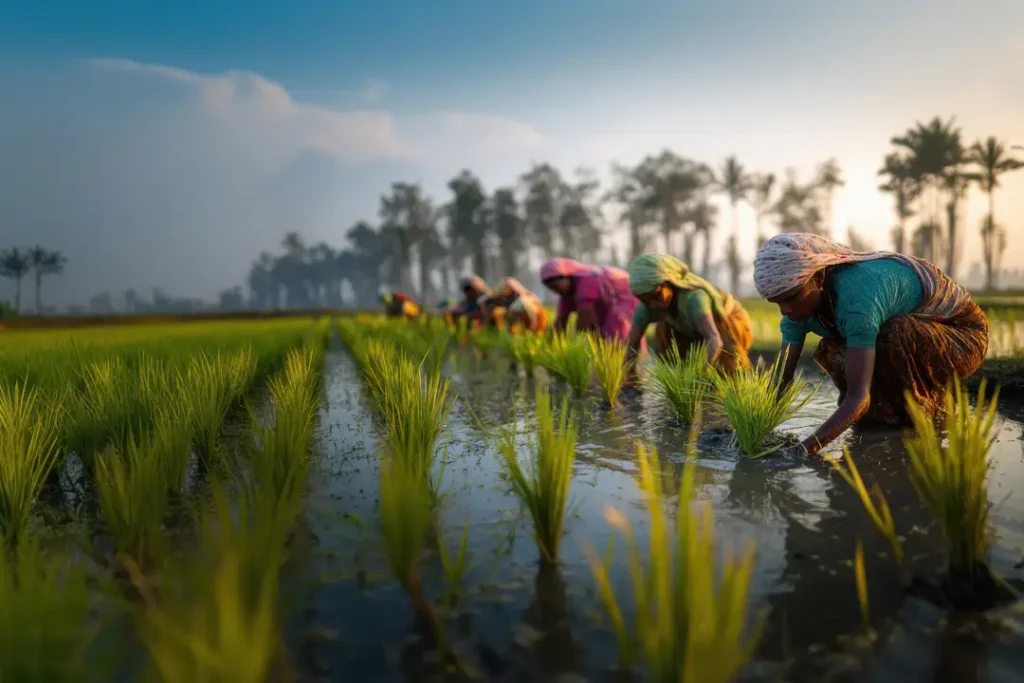
Traditional Indian agriculture was never built around speed alone.
Older farming systems understood balance surprisingly well. Multi-cropping, seed preservation, seasonal cycles, desi cow-based cultivation, natural composting — none of these practices were accidental. They evolved because they worked sustainably for generations.
Most importantly, the soil was respected.
That mindset still survives at Prakruti Raga through Traditional Indian Natural Farming practices inspired by the Pancha Tattvas — Earth, Water, Fire, Air, and Space.
Instead of forcing land to produce unnaturally, the farming process tries to restore natural harmony first.
The soil is nourished using Desi Cow-based farming methods rather than synthetic chemical dependency. Crops are given breathing space through multi-cropping systems instead of overcrowded monocultures. Water use is mindful. Air quality matters. Sunlight becomes part of the crop’s vitality.
It sounds spiritual when written down. But in reality, this is simply older agricultural intelligence that many modern systems abandoned too quickly.

One thing people often notice after switching to naturally cultivated foods is taste.
That happens because natural food still retains its original structure.
Modern industrial processing often removes the very parts of food that once carried nutrition. Rice gets polished heavily. Oils get refined aggressively. Grains lose their fiber. Shelf life becomes more important than integrity.
Prakruti Raga tries to preserve food closer to its original form instead.
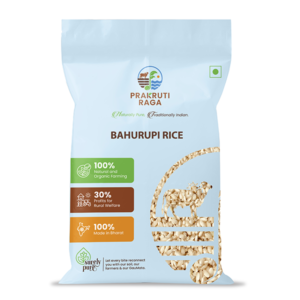
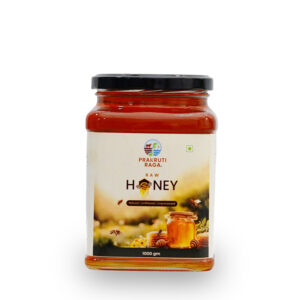
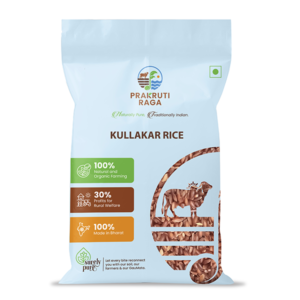
Their rice varieties remain less processed and more natural. Their raw honey focuses on purity and authenticity. Their cold-pressed oils avoid excessive industrial extraction methods. Their millet products reconnect modern kitchens with grains that once formed the backbone of Indian diets.
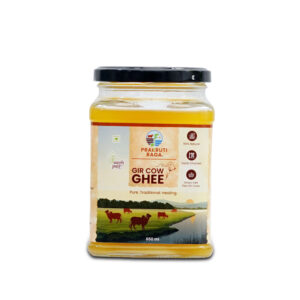
And then there is the A2 Gir Cow Ghee.
Traditional ghee making was never rushed.
At Prakruti Raga, A2 Gir Cow Ghee follows the Bilona process where curd is first churned into butter before slowly transforming into ghee. Industrial shortcuts skip much of this process today because speed is commercially easier.
But traditional preparation changes the aroma, texture, and overall richness completely.
The result feels less like a factory-made product and more like something remembered from older Indian homes.
That nostalgia people describe around real ghee is not imaginary. Traditional preparation genuinely creates a different experience.

One part people often forget in health discussions is the farmer.
Natural farming is not only about cleaner food. It is also about rebuilding farming systems that are financially and environmentally sustainable for rural communities.
Prakruti Raga was founded by Capt. Mallikharjun Rao Ajjarapu, a Merchant Navy Captain who returned to agriculture after witnessing how industrialization was affecting both human health and nature itself.
His belief is simple but powerful:
“True wealth is not in oceans crossed, but in soil restored.”
That thought shapes the direction of the entire brand.
The mission is not merely to sell products. It is to help restore traditional farming wisdom, encourage chemical-free cultivation, support rural farming ecosystems, and bring naturally grown food back into Indian homes in a practical modern way.
The product range itself feels connected to this larger idea of returning to cleaner, slower, and more traditional food systems.
Their naturally cultivated rice collection includes traditional and wellness-focused varieties like Navara Rice and unpolished rice varieties that retain natural fiber and nutrition.
Their A2 Gir Cow Ghee follows the traditional Bilona preparation process using desi cow milk.
Their raw honey focuses on purity, natural sourcing, and NMR-tested authenticity.
The millet range includes products like Little Millet and traditional dosa mixes that bring older grains back into daily meals without making cooking complicated.
Their cold-pressed oils include coconut oil, groundnut oil, mustard oil, safflower oil, and sesame oil prepared using slower extraction approaches instead of highly refined industrial methods.
None of these products are trying to imitate modern ultra-processed convenience foods. They are trying to restore balance instead.
And honestly, maybe that is what many people are searching for now without even realizing it.
Just food that still feels real when it reaches the table.